Locust ecology

-
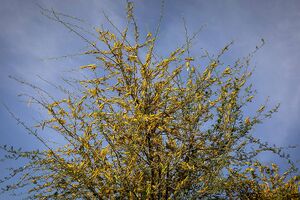
Desert locust swarm in Kenya ©FAO/Sven Torfinn -

Desert locust swarm in Kenya ©FAO/Sven Torfinn -
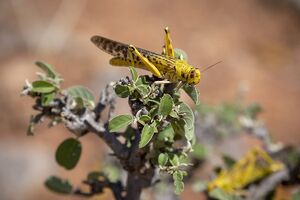
Desert locust eating ©FAO/Sven Torfinn -

Desert locust swarm 2020 ©FAO/Sven Torfinn


Background
In ecology, scientists study five overarching levels—individual organisms, populations, communities, ecosystems, and the biosphere—sometimes independently and often with interconnections. Since phase change was first described by Uvarov in 1921[1], much of the ecological research on locusts has focused on the environmental factors that trigger phase changes and outbreaks. An outbreak begins with the onset of favorable, well-timed, environmental events, like precipitation and the appearance of vegetation, but officially commences with the shift into the gregarious phase stimulated by population density.[2] For good reason, these variables have been a major topic of study. Today the field is wide and varied, spanning from locust nutrition to global landscape ecology and incorporates interconnected themes from other fields.
Organismal biology
Organismal biology commonly centers on an organism's engagement with abiotic factors. As a result, it can also be categorized within the domains of environmental physiology and physiological ecology.[3] Humidity and temperature represent two significant abiotic factors that have been extensively researched in locusts. An organism's life path hinges on these core abiotic factors being sufficiently favorable to support its growth and ability to avoid predators, forage, and reproduce. [3]
Temperature
A considerable number of locust species exhibit a preference for hot and arid climates.[4] Certain species, including the desert locust (Schistocerca gregaria), have shown an ability to flourish in extreme settings like the Sahara Desert.[5] Humidity and temperature can impact color transformation[6], development[7], and vulnerability to pathogens [8] [9]. Extensive studies on thermoregulation and behavior reveal that temperature plays a vital role in determining locust survival, preferred microhabitat, defense tactics against predators, and the effectiveness of digestion and nutrient absorption. [10] [11] [12] [13][5] [14] [15][16]
Moisture
Rain and humidity are essential throughout a locust's life cycle, impacting oviposition, egg development, diapause/quiescence, susceptibility to pathogens, survival, and successful migration. [7] [17] [18] [19] [20] [21] [22] Environments with higher moisture levels make xerophilic locusts, which favor open arid regions, more susceptible to pathogens.[23]

Oviposition
Oviposition is the process by which female insects deposit or lay their eggs. Female locusts typically lay their eggs in areas of sandy soil with sufficient moisture, usually at depths of 5-10 cm below the surface, although in softer sandy soils, they may lay eggs at depths up to 12 cm. [24] Before laying, the female assesses soil moisture by probing the ground with her abdomen. The eggs are laid in clusters known as egg pods, resembling rice grains arranged in a cluster like a miniature hand of bananas. [24] Females eggs in sandy soil with ample moisture, usually 5-10 cm deep in clusters called egg pods, sealing them with frothy plugs. Each pod holds 80-160 eggs. Not all laid eggs hatch, and not all reach adulthood. Under ideal conditions, a single female can produce 16-20 viable locusts in one generation. Read more about egg laying on page 9 of the FAO Desert Locust Biology and Behaviour guidebook here
Instars
Locusts and grasshoppers go through three distinct stages: egg, nymph, and adult. Females lay eggs, which hatch into wingless larvae known as nymphs or hoppers.[24] Nymphs undergo a series of five or six molts, each time increasing in size. This process, called molting, marks the stages in between as instars. The final molt, transitioning from the wingless fifth (or sixth) instar hopper to the winged adult, is termed fledging. The freshly emerged adult, called a fledgling, possesses soft wings that need to dry and harden before it can take flight. Unlike nymphs, adults do not molt and consequently do not grow in size. They do, however, gradually gain weight. Initially, flying-capable adults are not sexually mature, but over time, they reach sexual maturity, enabling them to mate and lay eggs. [24]
Diapause
Depending on the amount of moisture in the soil, locust eggs have the ability to transition from diapause—a physiological process triggered by unfavorable environmental conditions that temporarily halt development[25]—to either active development or a state of quiescence. Quiescence is a reversible response involving suspended development due to direct interaction with environmental conditions.[25]
Foraging and nutrition
Locusts and grasshoppers have been used extensively as models to investigate behaviors related to foraging and nutrition. [26] [27] Grasshoppers are one of the few insect generalist herbivores capable of traversing and feeding on a wide variety of host plants.[2] There are many factors that influence foraging patterns and plant preference, like plant physical defenses, chemical deterrents, nutrient acquisition, and evading predators. [28] [29] [30] [31] Intriguing interactions exist between plant structure and temperature regarding the proportional extraction of macronutrients from plants. [32] [33] Temperature and nutrition jointly influence key life history traits like size at maturity, development rate, reproduction, and survival, with herbivores adapting their behavior to exploit temperature-dependent nutrient gain from specific host plants. [32]
Role of protein and carbohydrates
The content and equilibrium of macronutrients, particularly protein and carbohydrates, significantly influence food choice, as these nutrients constitute a major portion of a herbivore's diet.[29] An imbalance in these nutrients leads to reduced growth, survival, and reproductive success. [27] Starting from the 1980s, locusts have served as a model for the development of the Geometric Framework for Nutrition, a conceptual framework used to study how animals balance their intake of multiple nutrients. The framework has since shed light on phase-related impacts on foraging behavior [34] [35] [36], the influence of food resources on gregarization [37], as well as migration.[38]
Challenges to the nitrogen limitation hyphothesis
Recent nutritional research combines laboratory and field research by studying locust populations in their natural habitats. [3] This research has challenged the conventional notion that herbivores should face limitations in nitrogen and protein availability [39] [40][41], as numerous locusts show a preference for and exhibit optimal growth in low-nitrogen settings, characterized by plants with low protein content and high carbohydrate levels.[4]
This connection between locust outbreaks and plants with low nitrogen and/or high carbohydrate content has been observed across various species.[3] In China, elevated nitrogen levels in cereal grasses due to heavy livestock grazing, led to a decrease in both size and viability of the Mongolian locust, Oedaleus decorus asiaticus, who demonstrates a preference for plants with lower nitrogen content. [42]
In Senegal, nitrogen fertilizer decreases survival and reproduction of the Senegalese grasshopper[43], Oedaleus senegalensis who prefer carbohydrate-biased food[44] and are more abundant in fallow fields where plants are lower in nitrogen. [44] [45]
In Australia, the Australian plague locust, Chortoicetes terminifera has an intake target that varies among populations, but consistently leaned towards a preference for carbohydrates, never displaying an intake target ratio more biased towards protein than P1:C1. [46]
Nymphs of the South American locust, Schistocerca cancellata in the Gran Chaco forest of Paraguay, exhibited a preference for plants with high carbohydrate content and low protein.[47] When offered artificial diets, the nymphs showed a preference for a protein to carbohydrate ratio of 1:2 and they consumed local plants in accordance with their carbohydrate content.[47]
These studies consistently reveal a pronounced preference for diets rich in carbohydrates among outbreaking populations, likely driven by substantial energy requirements, and possibly to support lipid accumulation for egg production and survival in arid environments.[48]
Populations
The study of locust populations encompasses population dynamics, range distribution, gene flow, and local adaptation.[3] The growth of local grasshopper and locust populations can be restricted by factors like resource availability (bottom-up control), predators, pathogens (top-down control), as well as emigration and immigration.
Environmental factors
Given their typical habitation in arid regions, locusts adhere to the pulse resource paradigm, wherein outbreaks are greatly influenced by preceding periods of lush vegetation.[49]

Apart from the availability of plants, the quality of plant nutrients and defense mechanisms can also impact population growth. Consequently, events like flooding, drought, fire, atmospheric carbon dioxide levels, and livestock grazing, which influence plant quality along with various other ecological factors, collectively affect the growth, survival, and overall dynamics of populations. [50] [51] [52] [53] [54] [55][56]
In temperate zones, especially those with seasonal cold and warm periods, development and population growth are constrained by heat requirements; first through soil temperature and subsequent egg hatching, followed by the influence heat has on development. [57] [58] [59] The extent of impact is likely to fluctuate throughout an outbreak cycle and across diverse environments.[3] Unlike low-density solitary populations, high-density gregarious locust populations are assumed to be minimally affected by predation due to their rapid population increase, outpacing their predators.[60] Habitats with intricate plant structures like forests compared to grasslands, could elevate predation risks by hosting more natural predators and impeding locust escape flights. [61] [62] These vulnerabilities could partially explain why desert and grassland locust species tend to avoid wooded vegetation [63][62], thrive in arid environments [4], and struggle to establish long-term populations in more moderate zones when they do manage to invade.[3]
Genetic factors
Because of their migratory capacity, frequent high local abundance, and extensive geographic ranges, locust species are generally anticipated to avoid significant population bottlenecks over evolutionary time, have substantial gene flow, large effective population sizes, and considerable overall genetic diversity.[3] These predictions have, for the most part, been substantiated by a few population genetic investigations on locusts. A study involving the Australian plague locust examined genetic markers across its range, revealing exceptionally elevated genetic diversity and large effective population sizes, and a significant lack of population structure throughout the species' continental distribution.[64] Similar patterns have been observed in the highly migratory desert locust.[65] They noted high genetic diversity overall and minimal genetic differentiation among recently solitarized populations during a period of decline, suggesting that solitarious populations are not isolated.[3] In cases where isolation does occur due to drift and selection, the process seems to be gradual. However, in the highly mobile migratory locust, Locusta migratoria, the situation is more complex. While gene flow is considerable and structure is low on a continental scale, as seen in the desert locust, distinct subpopulations have been identified, corresponding to specific regions. [66] [67] [65] [68] [69] High levels of gene flow can sometimes obscure the genetic signals of animal movement, posing challenges when attempting to comprehend migration patterns using a population genetic approach.[64]
Interestingly, substantial gene flow coupled with limited inter-population structure could contribute to the boom-and-bust population dynamics of locusts.[3] During population booms, locusts temporarily expand their range into new habitats but often fail to establish a long-term presence. The observed high gene flow could effectively diminish any advantageous local adaptations in heterogeneous or unfamiliar environments. [70]
Comprehending the metapopulation dynamics of locusts holds the potential to guide management strategies and enhance our insights into the selective pressures driving the evolution of phase changes and swarming behavior. [3]
Communities
Community ecology considers the interactions among species coexisting in the same area, including topics like competition, predation, and mutualism.[3] Host plants, natural predators, and environmental conditions all influence these dynamics, directly or indirectly. [71] [72] [73] For instance, species with overlapping diets may directly compete for host plants[74], but the situation is often more complex. The nutrient niche hypothesis may explain how generalist herbivores coexist by selectively feeding to achieve unique protein and carbohydrate ratios that fill different nutritional niches even when consuming the same plants. [75] [76]
Predators
Common predators of locusts and grasshoppers include beetles, wasps, flies, spiders, lizards, frogs, coyotes, birds, ants, and parasitic organisms such as hairworms (Nematomorpha), parasitoid wasps, and parasitoid flies. [3][77] [78] [79] [80] [81] [82] [83] Predatory natural enemies, like beetles, play a significant role in the transmission of microsporidian diseases such as Paranosema locustae.[3] The spores of these diseases are present in both predators and other organisms within the community, thus adding to the potential sources of infection for grasshoppers, going beyond their own horizontal transmission.[84]
Microbial communities
Beneficial microbial communities possess the capacity to exert influence on locust ecology and behavior.[3] Microbial research has shown the composition of gut bacterial communities and the processes facilitated by symbiotic relationships within the host organism. [85] [86] [87] [88] However, comprehensive endeavors to comprehend the interactions and impacts of locust-associated microbes have primarily focused on a limited number of species. [3] [89] Desert locust symbionts were first shown to play a crucial role in influencing the production of pheromones and aggregation behavior in their host. [90] [91]
Variations in the composition of bacterial communities within the gut are influenced by food availability, age, and phase of the locust (gregarious or solitarious). [92] [87] [93] Certain bacteria in the gut are naturally passed from mother to offspring through the foam plug and the types and variety of bacteria in the female reproductive tract are linked to the current phase of the locusts.[94] When locusts are crowded together in the lab, a type of bacteria called Weissella (belonging to the Firmicutes group) spreads from one locust to another, suggesting this bacterium might be very important in causing locusts to come together in groups and undergo changes in behavior and appearance.[3][93]
The community of microorganisms in the gut has a significant impact on how locusts interact with potentially harmful microbes. For instance, when the migratory locust is infected, Paranosema locustae changes the composition of the gut's microbial community. [95] In the case of the desert locust, gut bacteria provide protection against the opportunistic pathogen Serratia marcescens, enhancing the locust's tolerance. [96]
Ecosystems
Ecosystem ecology examines the interplay between biotic and abiotic factors, emphasizing the dynamics of flows, exchanges, and processes.[3] Because of the impacts locusts have on crops and grazing lands, they are often seen negatively. However, in ecological and evolutionary terms, locusts are generally not considered pests. They contribute to various aspects of ecosystem structure and function, including trophic dynamics, nutrient cycling, promotion of plant growth, and biodiversity. [3] [97] [98] [99] [100] [101] [102] [103] [104]
Herbivores facilitate the transfer of energy from plants to decomposers through plant clippings, feces, and cadavers.[3] Locusts and grasshoppers have the potential to accelerate nitrogen cycling and promote plant abundance in certain ecosystems by changing the amount and decomposition rate of plant litter.[100] On a broader scale, the ecological impacts of locust outbreaks have received limited research attention.[3] A locust swarm can act as a significant transporter of nutrients, particularly in arid and nutrient-deficient ecosystems. The impact a locust swarm has on nutrient cycling is contingent on both the nutrient content in their excrement (frass) or cadavers and the duration it takes for these nutrients to be accessible to plants.
The nitrogen released from frass and cadavers in a 1 km2 area (100 ha) could potentially fulfill the nitrogen needs of approximately 306 ha of rice crops and 59 ha of maize plants. [104] While there are still logistical challenges to overcome, a change in viewpoint and values could lead to the more sustainable incorporation of locust outbreaks into regional food systems.[3] This could involve utilizing them as fertilizer, livestock feed, and a valuable source of protein, minerals, fats, and fiber for human consumption.[104]
Landscapes and Technology

Landscape ecology delves into the spatially defined relationships between biotic and abiotic elements at various scales. [3] The way locusts disperse, gather, and move across landscapes forms the foundation for monitoring, forecasting, and management efforts.[105]
Locusts have the ability to migrate across various habitats, but areas suitable for successful breeding are typically limited to regions with a specific combination of soil and climatic conditions. [3] [106] These areas end up being the "outbreak areas" and accurately predicting these breeding and gregarization sites is crucial for guiding monitoring efforts.[107] The distribution of vegetation offers insights into potential high-risk gregarization sites,[3] as they strongly influence locust aggregation and phase transition. [108] [109] [110]
Technology
While tracking migration across landscapes presents logistical challenges, [3] swarms can be effectively monitored using radar and remote sensing techniques. [111] [112] [113] [114] [115] Valuable insights can also be drawn from the temporal records of swarm locations. [116] [117] Technological advancements have enabled the implementation of large-scale monitoring and forecasting methods.[3] The introduction of satellites, notably LANDSAT in the early 1970s and MODIS in 2000, enabled the correlation between normalized difference vegetation index (NDVI, an indicator of vegetation greenness) and outbreaks. [3] [118] [119] [120] [121] [122] [49]
Remote sensing gathers data across extensive geographical regions and transmits surface conditions to experts, allowing them to visualize data nearly in real-time. [3] [123] [124] For instance, the detection of soil moisture estimates at a 1 km resolution can inform the development of proactive management and other integrated pest control strategies. [3] [125]
Progress in remote sensing technology has greatly assisted in monitoring habitats and evaluating risks for notable species such as the desert and Australian plague locusts. However, it remains underutilized for many other species.[3] Most remote sensing studies have concentrated on the desert locust [119] [126] [127], migratory locust [84], [128] [129] [130], and Australian plague locust. [120] [49]
Drones
Drones are mainly used to aid in surveillance of remote areas.[3] Recent success was seen with a drone developed by HEMAV in 2020 for countries impacted by the desert locust. [3].[131] Their dLocust drone can process images in-flight, making data immediately available to decision-makers using the eLocust3 tablet at the end of its long-distance survey.[131] However, drones are limited in the weight they can carry for control spraying (only 10 kg), by battery life (limiting flight time to 10–15 min), battery expense, operating costs, and lack of trained operators.[131] Drones must be affordable, simple to operate, and easy to maintain in locust-affected countries if they are to be widely useful. [3] Additionally, aviation regulations that require operators to keep their aircraft within visual line of sight may be prohibitive for long-distance flights.[48] More research and development are needed to create the most effective designs, standard operating procedures, and safe and effective ways drones can be used in locust control.[132] [3]
Individuals and their smartphones are playing a significant role in shaping and improving technology.[3] For instance, applications like the Food and Agriculture Organization of the United Nations (FAO) eLocust3m, introduced in 2015, empower community members, farmers, and control officers to document locust sightings, aiding in monitoring and forecasting endeavors.[3] These apps can leverage machine learning to reasonably identify locust species and other pests, swiftly relaying this data to national locust centers and pertinent personnel in real-time. Some propose machine learning as a remedy for the shortage of identification expertise. [133] Nonetheless, it is probable that proficient human diagnosticians will remain an essential element for promptly identifying large quantities of insects and handling less-than-ideal specimens.[3]
Locust observation and datasets over time
Over the course of history, careful observation and documentation of locust outbreaks have resulted in comprehensive historical databases containing information on numerous species. These records provide valuable insights into the geographical distribution of locusts over time, offering estimates of population sizes and spatial scales essential for understanding the nature of their outbreaks.
One of the most remarkable sources of long-term locust data comes from the continuous records found in ancient Chinese court agricultural documents, spanning over a thousand years.[134] Moving into the 20th century, extensive datasets were compiled, covering yearly, seasonal, and even monthly occurrences of locusts, spanning several decades. These datasets were sourced from reports, surveillance efforts, and agricultural extension programs, spanning regions in Africa, Asia, North and South America, and Australia.
In the early days of data analysis, researchers presented information through time-series bar graphs, depicting the number of affected districts over specific periods.[135] [136] [137] Notably, the Cartographic Unit of The Anti-Locust Research Centre (ALRC) in the 1950s developed a methodology for gridding desert locust records across Africa and western Asia. This approach formed the foundation for analyzing locust migrations and forecasting population dynamics.
In this century, detailed historical datasets on locust occurrences have become valuable sources of information for analyzing potential ecological relationships and predicting near-term changes. [138] [139] These datasets also help explore locust dynamics under long-term climate change scenarios. [140] [141] Advanced statistical tests and algorithms, like wavelet analysis and machine-learning estimates, are increasingly applied to this data, though interpretations may differ. [142] [143]
Global Change
The current era is marked by global environmental change. [144] [3] Climate shifts and changes in land use and cover have significant direct and indirect effects on locust and grasshopper populations.[3] However, understanding the precise direction and magnitude of these impacts is complicated by the interconnected nature of the issue. [145] [146]
While our knowledge of orthoptera range dynamics lags behind that of other insects, we do have indications that certain locust and grasshopper species are projected to alter their distribution ranges in response to climate shifts. [3] [147] [141] [15] Additionally, they may adjust their areas of gregarization, [148] and outbreak potential. [142] [149] [150] Conversely, some species may experience a decrease in their range [140], or face challenges in expanding to new regions due to unfavorable wind patterns for migration. [151]
Organizations associated with locust ecology
No results found in the database at this time—please reach out if you have any to share!
References
- ↑ Uvarov BP (1921) A revision of the genus Locusta, L. (=Pachytylus, Fieb.), with a new theory as to the periodicity and migrations of locusts. Bulletin of Entomological Research 12: 135–163. https://doi.org/10.1017/S0007485300044989
- ↑ 2.0 2.1 Uvarov BP (1977) Grasshoppers and Locusts, Vol. 2. London, UK: Centre for Overseas Pest Research.
- ↑ 3.00 3.01 3.02 3.03 3.04 3.05 3.06 3.07 3.08 3.09 3.10 3.11 3.12 3.13 3.14 3.15 3.16 3.17 3.18 3.19 3.20 3.21 3.22 3.23 3.24 3.25 3.26 3.27 3.28 3.29 3.30 3.31 3.32 3.33 3.34 3.35 3.36 3.37 3.38 3.39 3.40 Ries MW, Adriaansen C, Aldobai S, Berry K, Bal AB, Catenaccio MC, Cigliano MM, Cullen DA, Deveson T, Diongue A, Foquet B, Hadrich J, Hunter D, Johnson DL, Pablo Karnatz J, Lange CE, Lawton D, Lazar M, Latchininsky AV, Lecoq M, Le Gall M, Lockwood J, Manneh B, Overson R, Peterson BF, Piou C, Poot-Pech MA, Robinson BE, Rogers SM, Song H, Springate S, Therville C, Trumper E, Waters C, Woller DA, Youngblood JP, Zhang L, Cease A (2024) Global perspectives and transdisciplinary opportunities for locust and grasshopper pest management and research. Journal of Orthoptera Research 33(2): 169–216. doi:10.3897/jor.33.112803.
- ↑ 4.0 4.1 4.2 Le Gall M, Overson R, Cease A (2019) A Global Review on Locusts (Orthoptera: Acrididae) and Their Interactions With Livestock Grazing Practices. Frontiers in Ecology and Evolution 7: 263. https://doi.org/10.3389/fevo.2019.00263
- ↑ 5.0 5.1 Maeno KO, Piou C, Kearney MR, Ely SO, Mohamed SO, Jaavar MEH, Ebbe MAOB (2021b) A general model of the thermal constraints on the world’s most destructive locust, Schistocerca gregaria. Ecological Applications 31: e02310. https://doi.org/10.1002/eap.2310
- ↑ Pener MP, Simpson SJ (2009) Locust phase polyphenism: an update. Advances in Insect Physiology 36: 1–272. https://doi.org/10.1016/S0065-2806(08)36001-9
- ↑ 7.0 7.1 Gregg P (1983) Development of the Australian plague locust Chortoicetes terminifera, in relation to weather 1. Effects of constant temperature and humidity. Journal of the Australian Entomological Society 22: 247–251. https://doi.org/10.1111/j.1440-6055.1983.tb01888.x
- ↑ Bateman RP, Carey M, Moore D, Prior C (1993) The enhanced infectivity of Metarhizium flavoviride in oil formulations to desert locusts at low humidities. Annals of Applied Biology 122: 145–152. https://doi.org/10.1111/j.1744-7348.1993.tb04022.x
- ↑ Thomas MB, Jenkins NE (1997) Effects of temperature on growth of Metarhizium flavoviride and virulence to the variegated grasshopper, Zonocerus variegatus. Mycological Research 101: 1469–1474. https://doi.org/10.1017/S0953756297004401
- ↑ Miller GA, Clissold FJ, Mayntz D, Simpson SJ (2009) Speed over efficiency: locusts select body temperatures that favour growth rate over efficient nutrient utilization. Proc Biol Sci 276: 3581–9. https://doi.org/10.1098/rspb.2009.1030
- ↑ Coggan N, Clissold FJ, Simpson SJ (2011) Locusts use dynamic thermoregulatory behaviour to optimize nutritional outcomes. Proceedings of the Royal Society B: Biological Sciences 278: 2745–2752. https://doi.org/10.1098/rspb.2010.2675
- ↑ Maeno KO, Ould Ely S, Ould Mohamed S, Jaavar MEH, Nakamura S, Ould Babah Ebbe MA (2019) Defence tactics cycle with diel microhabitat choice and body temperature in the desert locust, Schistocerca gregaria. Ethology 125: 250–261. https://doi.org/10.1111/eth.12845
- ↑ Maeno KO, Piou C, Ghaout S (2020a) The desert locust, Schistocerca gregaria, plastically manipulates egg size by regulating both egg numbers and production rate according to population density. Journal of Insect Physiology 122: 104020. https://doi.org/10.1016/j.jinsphys.2020.104020
- ↑ Youngblood JP, VandenBrooks JM, Babarinde O, Donnay ME, Elliott DB, Fredette-Roman JF-R, Angilletta MJ Jr. (2020) Oxygen supply limits the chronic heat tolerance of locusts during the first instar only. Journal of Insect Physiology 127: 104157. https://doi.org/10.1101/2020.01.16.909705
- ↑ 15.0 15.1 Youngblood JP, Cease AJ, Talal S, Copa F, Medina HE, Rojas JE, Trumper EV, Angilletta MJ Jr, Harrison JF (2022) Climate change expected to improve digestive rate and trigger range expansion in outbreaking locusts. Ecological Monographs. https://doi.org/10.1002/ecm.1550
- ↑ Piou C, Zagaglia G, Medina HE, Trumper E, Rojo Brizuela X, Maeno KO (2022) Band movement and thermoregulation in Schistocerca cancellata. Journal of Insect Physiology 136. https://doi.org/10.1016/J.JINSPHYS.2021.104328
- ↑ Hunter DM (1989) The response of Mitchell grasses (Astrebla spp.) and Button grass (Dactyloctenium radulans (R. Br.)) to rainfall and their importance to the survival of the Australian plague locust, Chortoicetes terminifera (Walker), in the arid zone. Austral Ecology 14: 467–471. https://doi.org/10.1111/j.1442-9993.1989.tb01456.x
- ↑ Hunter-Jones P (1964) Egg development in the Desert Locust (Schistocerca gregaria Forsk.) in relation to the availability of water. Proceedings of the Royal Entomological Society of London. Series A, General Entomology 39: 25–33. https://doi.org/10.1111/j.1365-3032.1964.tb00781.x
- ↑ Kambule IN, Hanrahan SA, Duncan FD (2011) Metabolic rate in diapause and nondiapause brown locust eggs correlated with embryonic development. Physiological Entomology 36: 299–308. https://doi.org/10.1111/j.1365-3032.2011.00792.x
- ↑ Wardhaugh K (1980) The effects of temperature and moisture on the inception of diapause in eggs of the Australian plague locust, Chortoicetes terminifera Walker (Orthoptera: Acrididae). https://doi.org/10.1111/J.1442-9993.1980.TB01241.X
- ↑ Woodman JD (2010a) Cold tolerance of first-instar nymphs of the Australian plague locust, Chortoicetes terminifera. Journal of Insect Physiology 56: 376–379. https://doi.org/10.1016/j.jinsphys.2009.11.012
- ↑ Woodman JD (2010b) High-temperature survival is limited by food availability in first-instar locust nymphs. Australian Journal of Zoology 58: 323–330. https://doi.org/10.1071/zo10065
- ↑ Arthurs S, Thomas MB (2001) Effects of temperature and relative humidity on sporulation of Metarhizium anisopliae var. acridum in mycosed cadavers of Schistocerca gregaria. Journal of Invertebrate Pathology 78: 59–65. https://doi.org/10.1006/jipa.2001.5050
- ↑ 24.0 24.1 24.2 24.3 Symmons PM and Cressman K (2001) Desert Locust Guidelines: Biology and Behavior. Rome: Food and Agriculture Organization of the United Nations. Available from: http://www.fao.org/ag/locusts/common/ecg/347_en_DLG1e.pdf (November 25, 2019)
- ↑ 25.0 25.1 Danks HV (1987) Insect Dormancy: An Ecological Perspective. Biological Survey of Canada (Terrestrial Arthropods), Canada.
- ↑ Bernays EA, Bright KL (1993) Mechanisms of dietary mixing in grasshoppers: A review. Comparative Biochemistry and Physiology Part A: Physiology 104: 125–131. https://doi.org/10.1016/0300-9629(93)90019-Z
- ↑ 27.0 27.1 Simpson SJ, Raubenheimer D (2012) The nature of nutrition: a unifying framework from animal adaptation to human obesity. Princeton; Oxford: Princeton University Press, 220 pp. Available from: https://ebookcentral-proquest-com.ezproxy1.lib.asu.edu/lib/asulib-ebooks/reader.action?docID=902773
- ↑ Bernays EA, Chapman RF (1973) The role of food plants in the survival and development of Chortoicetes terminifera (Walker) under drought conditions. Australian Journal of Zoology 21: 575–592.
- ↑ 29.0 29.1 Behmer ST (2009) Insect herbivore nutrient regulation. Annual Review of Entomology 54: 165–187. https://doi.org/10.1146/annurev.ento.54.110807.090537
- ↑ Schmitz OJ, Hawlena D, Trussell GC (2010) Predator control of ecosystem nutrient dynamics. Ecology letters 13: 1199–1209. https://doi.org/10.1111/j.1461-0248.2010.01511.x
- ↑ Raubenheimer D, Simpson SJ (2018) Nutritional ecology and foraging theory. Current Opinion in Insect Science 27: 38–45. https://doi.org/10.1016/j.cois.2018.02.002
- ↑ 32.0 32.1 Clissold FJ, Simpson SJ (2015) Temperature, food quality and life history traits of herbivorous insects. Current Opinion in Insect Science 11: 63–70. https://doi.org/10.1016/j.cois.2015.10.011
- ↑ Clissold FJ, Coggan N, Simpson SJ (2013) Insect herbivores can choose microclimates to achieve nutritional homeostasis. Journal of Experimental Biology 216: 2089–2096. https://doi.org/10.1242/jeb.078782
- ↑ Simpson SJ, Raubenheimer D, Behmer ST, Whitworth A, Wright GA (2002) A comparison of nutritional regulation in solitarious-and gregarious-phase nymphs of the desert locust Schistocerca gregaria. Journal of Experimental Biology 205: 121–129.
- ↑ Zee B, Behmer ST, Simpson SJ (2002) Food mixing strategies in the desert locust: effects of phase, distance between foods, and food nutrient content. Entomologia Experimentalis et Applicata 103: 227–237. https://doi.org/10.1046/j.1570-7458.2002.00978.x
- ↑ Despland E, Simpson SJ (2005) Food choices of solitarious and gregarious locusts reflect cryptic and aposematic antipredator strategies. Animal Behaviour 69: 471–479. https://doi.org/10.1016/j.anbehav.2004.04.018
- ↑ Despland E, Simpson SJ (2000) The role of food distribution and nutritional quality in behavioural phase change in the desert locust. Animal Behaviour 59: 643–652. https://doi.org/10.1006/anbe.1999.1335
- ↑ Cease AJ, Harrison JF, Hao S, Niren DC, Zhang G, Kang L, Elser JJ (2017) Nutritional imbalance suppresses migratory phenotypes of the Mongolian locust (Oedaleus asiaticus). Royal Society Open Science 4: 161039. https://doi.org/10.1098/rsos.161039
- ↑ Andrewartha HG (1954) The distribution and abundance of animals. University of Chicago Press, Chicago. 782 pp.
- ↑ Mattson WJ (1980) Herbivory in relation to plant nitrogen content. Annual Review of Ecology and Systematics 11: 119–161. https://doi.org/10.1146/annurev.es.11.110180.00
- ↑ White TCR (1993) The inadequate environment: nitrogen and the abundance of animals. Springer-Verlag Berlin.
- ↑ Cease AJ, Elser JJ, Ford CF, Hao S, Kang L, Harrison JF (2012) Heavy livestock grazing promotes locust outbreaks by lowering plant nitrogen content. Science 335: 467–469. https://doi.org/10.1126/science.1214433
- ↑ Le Gall M, Word ML, Thompson N, Beye A, Cease AJ (2020a) Nitrogen fertilizer decreases survival and reproduction of female locusts by increasing plant protein to carbohydrate ratio. Journal of Animal Ecology: 1–8. https://doi.org/10.1111/1365-2656.13288
- ↑ 44.0 44.1 Le Gall M, Word ML, Thompson N, Manneh B, Beye A, Cease AJ (2020b) Linking land use and the nutritional ecology of herbivores: a case study with the Senegalese locust. Functional Ecology. https://doi.org/10.1111/1365-2435.13466
- ↑ Word ML, Hall SJ, Robinson BE, Manneh B, Beye A, Cease AJ (2019) Soil-targeted interventions could alleviate locust and grasshopper pest pressure in West Africa. Science of The Total Environment 663: 632–643. https://doi.org/10.1016/j.scitotenv.2019.01.313
- ↑ Lawton D, Le Gall M, Waters C, Cease AJ (2021) Mismatched diets: defining the nutritional landscape of grasshopper communities in a variable environment. Ecosphere 12. https://doi.org/10.1002/ecs2.3409
- ↑ 47.0 47.1 Talal S, Cease AJ, Youngblood JP, Farington R, Trumper EV, Medina HE, Rojas JE, Fernando Copa A, Harrison JF (2020) Plant carbohydrate content limits performance and lipid accumulation of an outbreaking herbivore. Proceedings of the Royal Society B: Biological Sciences 287: 20202500.
- ↑ 48.0 48.1 Cullen DA, Cease AJ, Latchininsky AV, Ayali A, Berry K, Buhl J, De Keyser R, Foquet B, Hadrich JC, Matheson T, Ott SR, Poot-Pech MA, Robinson BE, Smith JM, Song H, Sword GA, Vanden Broeck J, Verdonck R, Verlinden H, Rogers SM (2017) From molecules to management: mechanisms and consequences of locust phase polyphenism. Advances in Insect Physiology 53: 167–285. https://doi.org/10.1016/bs.aiip.2017.06.002
- ↑ 49.0 49.1 49.2 Lawton D, Scarth P, Deveson E, Piou C, Spessa A, Waters C, Cease AJ (2022) Seeing the locust in the swarm: accounting for spatiotemporal hierarchy improves ecological models of insect populations. Ecography: ecog.05763. https://doi.org/10.1111/ecog.05763
- ↑ Joern A, Gaines SB (1990) Population dynamics and regulation in grasshoppers. In: Chapman RF, Joern A (Eds), Biology of Grasshoppers. Wiley-Interscience, New York. 415–482 pp.
- ↑ Joern A, Provin T, Behmer ST (2012) Not just the usual suspects: Insect herbivore populations and communities are associated with multiple plant nutrients. Ecology 93: 1002–1015. https://doi.org/10.1890/11-1142.1
- ↑ Lenhart PA, Eubanks MD, Behmer ST (2015) Water stress in grasslands: dynamic responses of plants and insect herbivores. Oikos 124: 381–390. https://doi.org/10.1111/oik.01370
- ↑ Branson DH, Vermeire LT (2016) Grasshopper responses to fire and postfire grazing in the Northern Great Plains vary among species. Rangeland Ecology & Management 69: 144–149. https://doi.org/10.1016/j.rama.2015.10.005
- ↑ Branson DH (2017) Effects of altered seasonality of precipitation on grass production and grasshopper performance in a northern mixed prairie. Environmental Entomology 46: 589–594. https://doi.org/10.1093/ee/nvx053
- ↑ Branson DH (2020) Grasshopper populations respond similarly to multiple moderate intensity livestock grazing treatments. Journal of Orthoptera Research 29: 67–69. https://doi.org/10.3897/jor.29.46966
- ↑ Welti EAR, Roeder KA, de Beurs KM, Joern A, Kaspari M (2020) Nutrient dilution and climate cycles underlie declines in a dominant insect herbivore. Proceedings of the National Academy of Sciences: 201920012. https://doi.org/10.1073/pnas.1920012117
- ↑ Lactin DJ, Holliday NJ, Johnson DL, Craigen R (1995) Improved rate model of temperature-dependent development by arthropods. Environmental Entomology 24: 68-75. https://doi.org/10.1093/ee/24.1.68
- ↑ Lactin DJ, Johnson DL (1998) Environmental, physical, and behavioural determinants of body temperature in grasshopper nymphs (Orthoptera: Acrididae). The Canadian Entomologist 130: 551-577. https://doi.org/10.4039/Ent130551-5
- ↑ Brust ML, Hoback WW, Wright RJ (2009) Degree-Day requirements for eight economically important grasshoppers (Orthoptera: Acrididae) in Nebraska using field data. Environmental Entomology 38:1521–1526.
- ↑ Farrow RA (1982) Population dynamics of the Australian plague locust, Chortoicetes terminifera (Walker) in Central Western New South Wales Ii. Factors influencing natality and survival. Australian Journal of Zoology 30: 199–222. https://doi.org/10.1071/ZO9820199
- ↑ Clark LR (1950) On the abundance of the Australian plague locust Chortoicetes terminifera (Walker) in relation to the presence of trees. Australian Journal of Agricultural Research 1: 64–75.
- ↑ 62.0 62.1 Lawton D, Waters C, Le Gall M, Cease A (2020) Woody vegetation remnants within pastures influence locust distribution: Testing bottom-up and top-down control. Agriculture, Ecosystems & Environment 296: 106931. https://doi.org/10.1016/j.agee.2020.106931
- ↑ Deveson T, Hunter DM (2002) The operation of a GIS-based decision support system for Australian locust management. Insect Science 9: 1–12.
- ↑ 64.0 64.1 Chapuis MP, Popple JAM, Berthier K, Simpson SJ, Deveson E, Spurgin P, Steinbauer MJ, Sword GA (2011) Challenges to assessing connectivity between massive populations of the Australian plague locust. Proceedings of the Royal Society B: Biological Sciences 278: 3152–3160. https://doi.org/10.1098/rspb.2010.2605
- ↑ 65.0 65.1 Chapuis M-P, Plantamp C, Blondin L, Pagès C, Vassal J-M, Lecoq M (2014) Demographic processes shaping genetic variation of the solitarious phase of the desert locust. Molecular Ecology 23: 1749–1763. https://doi.org/10.1111/mec.12687
- ↑ Chapuis MP, Lecoq M, Michalakis Y, Loiseau G, Sword A, Piry S, Estoup A (2008) Do outbreaks affect genetic population structure? A worldwide survey in Locusta migratoria, a pest plagued by microsatellite null alleles. Molecular ecology 17: 3640-3653. https://doi.org/10.1111/j.1365-294X.2008.03869.x
- ↑ Chapuis MP, Foucart A, Plantamp C, Blondin L, Leménager N (2017) Genetic and morphological variation in non-polyphenic southern African populations of the desert locust. African Entomology 25: 13–23. https://doi.org/10.4001/003.025.0013
- ↑ Zhang D-X, Yan L-N, Ji Y-J, Hewitt GM, Huang Z-S (2009a) Unexpected relationships of substructured populations in Chinese Locusta migratoria. BMC Evolutionary Biology 9: 144. https://doi.org/10.1186/1471-2148-9-144
- ↑ Ma C, Yang P, Jiang F, Chapuis MP, Shali Y, Sword GA, Kang L (2012) Mitochondrial genomes reveal the global phylogeography and dispersal routes of the migratory locust. Molecular Ecology 21: 4344–4358. https://doi.org/10.1111/j.1365-294X.2012.05684.x
- ↑ Storfer A, Cross J, Rush V, Caruso J (1999) Adaptive Coloration and Gene Flow as a Constraint to Local Adaptation in the Streamside Salamander, Ambystoma barbouri. Evolution 53: 889–898. https://doi.org/10.1111/j.1558-5646.1999.tb05383.x
- ↑ Denno RF, Mcclure MS, Ott JR (1995) Interspecific interactions in phytophagous insects: competition reexamined and resurrected. Annual Review of Entomology 40: 297–331. https://doi.org/10.1146/annurev.en.40.010195.001501
- ↑ Kaplan I, Denno RF (2007) Interspecific interactions in phytophagous insects revisited: a quantitative assessment of competition theory. Ecology Letters 10: 977–994. https://doi.org/10.1111/j.1461-0248.2007.01093.x
- ↑ Smith RA, Mooney KA, Agrawal AA (2008) Coexistence of three specialist aphids on common milkweed, Asclepias syriaca. Ecology 89: 2187–2196. https://doi.org/10.1890/07-1441.1
- ↑ Schoener TW (1982) The controversy over interspecific competition. American Scientist 70: 586–595. https://www.jstor.org/stable/27851730
- ↑ Behmer ST, Joern A (2008) Coexisting generalist herbivores occupy unique nutritional feeding niches. Proceedings of the National Academy of Sciences 105: 1977–1982. https://doi.org/10.1073/pnas.0711870105
- ↑ Lenhart PA (2014) Nutrient Niches: an Investigation of Nutritional Ecology in a Generalist Herbivore Community. Texas A&M University Available from: https://search-proquest-com.ezproxy1.lib.asu.edu/docview/1649257364?pq-origsite=primo
- ↑ Martin PA, Johnson DL, Forsyth DJ, Hill BD (1998) Indirect effects of the pyrethroid insecticide, deltamethrin on reproductive success of Chestnut-collared Longspurs. Ecotoxicology 7: 89-97. https://doi.org/10.1023/A:1008815903340
- ↑ Martin PA, Johnson DL, Forsyth DJ, Hill B (2000) Effects of two grasshopper control insecticides on the food resources and reproductive success of two species of grassland songbird. Environmental Toxicology and Chemistry 19: 2987–2996. https://doi.org/10.1002/etc.5620191220
- ↑ Danyk T, Johnson D l., Mackauer M (2000) Parasitism of the grasshopper Melanoplus sanguinipes by a sarcophagid fly, Blaesoxipha atlantis: influence of solitary and gregarious development on host and parasitoid. Entomologia Experimentalis et Applicata 94: 259–268. https://doi.org/10.1046/j.1570-7458.2000.00628.x
- ↑ Johnson DL, Smits JS, Jaronski ST, Weaver DK (2002) Assessment of health and growth of ring-necked pheasants following consumption of infected insects or conidia of entomopathogenic fungi, Metarhizium anisopliae var acridum and Beauveria bassiana, from Madagascar and North American Journal of Toxicology and Environmental Health 65: 2145–2162. https://doi.org/10.1080/00984100290071847
- ↑ Biron D, Marché L, Ponton F, Loxdale H, Galéotti N, Renault L, Joly C, Thomas F (2005) Behavioural manipulation in a grasshopper harbouring hairworm: a proteomics approach. Proceedings of the Royal Society B: Biological Sciences 272: 2117–2126. https://doi.org/10.1098/rspb.2005.3213
- ↑ Shi WP, Wang XY, Yin Y, Zhang YX, Rizvi UH, Tan SQ, Cao C, Yu HY, Rong J (2019) Dynamics of aboveground natural enemies of grasshoppers, and biodiversity after application of Paranosema locustae in rangeland. Insects 2019 10: 224. https://doi.org/10.3390/insects10080224
- ↑ Mullié WC (2021) Don’t kill your allies: The impact of chemical and biological locust and grasshopper control on birds. PhD thesis. Wageningen University Available from: https://doi.org/10.18174/535131
- ↑ 84.0 84.1 Shi Y, Huang WJ, Dong YY, Peng DL, Zheng Q, Yang P (2018b) The enfluence of landscape’s dynamics on the oriental migratory locust habitat change based on the time-series satellite data. Journal of Environmental Management 218: 280–90. https://doi.org/10.1016/j.jenvman.2018.04.028.
- ↑ Stoops J, Crauwels S, Waud M, Claes J, Lievens B, Van Campenhout L (2016) Microbial community assessment of mealworm larvae (Tenebrio molitor) and grasshoppers (Locusta migratoria migratorioides) sold for human consumption. Food Microbiology. 53: 122–127. https://doi.org/10.1016/j.fm.2015.09.010
- ↑ Garofalo C, Osimani A, Milanović V, Taccari M, Cardinali F, Aquilanti L, Riolo P, Ruschioni S, Isidoro N, Clementi F (2017) The microbiota of marketed processed edible insects as revealed by high-throughput sequencing. Food microbiology 62: 15–22. https://doi.org/10.1016/j.fm.2016.09.012
- ↑ 87.0 87.1 Lavy O, Gophna U, Gefen E, Ayali A (2019) The effect of density-dependent phase on the locust gut bacterial composition. Frontiers in Microbiology 9: 3020. https://doi.org/10.3389/fmicb.2018.03020
- ↑ Lavy O, Gophna U, Gefen E, Ayali A (2020a) Dynamics of bacterial composition in the locust reproductive tract are affected by the density-dependent phase. FEMS Microbiology Ecology 96. https://doi.org/10.1093/femsec/fiaa044
- ↑ Lavy O, Gophna U, Gefen E, Ayali A (2020b) Locust Bacterial Symbionts: An Update. Insects 11: 655. https://doi.org/10.3390/insects11100655
- ↑ Dillon RJ, Vennard CT, Charnley AK (2000) Exploitation of gut bacteria in the locust. Nature 403:581. https://doi.org/10.1038/35002669
- ↑ Dillon RJ, Vennard CT, Charnley AK (2002) A note: Gut bacteria produce components of a locust cohesion pheromone. Journal of Applied Microbiology 92: 759–763. https://doi.org/10.1046/j.1365-2672.2002.01581.x
- ↑ Dillon RJ, Webster G, Weightman AJ, Keith Charnley A (2010) Diversity of gut microbiota increases with aging and starvation in the desert locust. Antonie van Leeuwenhoek 97: 69. https://doi.org/10.1007/s10482-009-9389-5
- ↑ 93.0 93.1 Lavy O, Lewin-Epstein O, Bendett Y, Gophna U, Gefen E, Hadany L, Ayali A (2022) Microbiome-related aspects of locust density-dependent phase transition. Environmental Microbiology 24: 507–516. https://doi.org/10.1111/1462-2920.15883
- ↑ Lavy O, Gophna U, Ayali A, Gihaz S, Fishman A, Gefen E (2021) The maternal foam plug constitutes a reservoir for the desert locust’s bacterial symbionts. Environmental Microbiology 23: 2461–2472. https://doi.org/10.1111/1462-2920.15448
- ↑ Tan S, Zhang K, Chen H, Ge Y, Ji R, Shi W (2015) The mechanism for microsporidian parasite suppression of the hindgut bacteria of the migratory locust Locusta migratoria manilensis. Scientific Reports (Nature Publisher Group) 5: 17365. https://doi.org/10.1038/srep17365
- ↑ Dillon RJ, Vennard CT, Buckling A, Charnley AK (2005) Diversity of locust gut bacteria protects against pathogen invasion. Ecology Letters 8: 1291–1298. https://doi.org/10.1111/j.1461-0248.2005.00828.x
- ↑ Gandar MV (1982) The dynamics and trophic ecology of grasshoppers (Acridoidea) in a South African Savanna. Trophic ecology of grasshoppers in South African Savanna. Oecologia 54: 370–378. https://www.jstor.org/stable/4216777
- ↑ Kim KC (1993) Biodiversity, conservation and inventory: why insects matter. Biodiversity and Conservation 2: 191–214. https://doi.org/10.1007/BF00056668
- ↑ Schmitz OJ (1994) Resource edibility and trophic exploitation in an old-field food web. Proceedings of the National Academy of Sciences 91: 5364–5367. https://doi.org/10.1073/pnas.91.12.5364
- ↑ 100.0 100.1 Belovsky GE, Slade JB (2000) Insect herbivory accelerates nutrient cycling and increases plant production. Proceedings of the National Academy of Sciences 97: 14412–14417. https://doi.org/10.1073/pnas.250483797
- ↑ Guo ZW, Li H-C, Gan YL (2006) Grasshopper (Orthoptera: Acrididae) biodiversity and grassland ecosystems. Insect Science 13: 221–227. https://doi.org/10.1111/j.1744-7917.2006.00086.x
- ↑ Fielding DJ, Trainor E, Zhang M (2013) Diet influences rates of carbon and nitrogen mineralization from decomposing grasshopper frass and cadavers. Biology and Fertility of Soils 49: 537–544. https://doi.org/10.1007/s00374-012-0702-5
- ↑ Descombes P, Pitteloud C, Glauser G, Defossez E, Kergunteuil A, llard P-M, Rasmann S, Pellissier L (2020) Novel trophic interactions under climate change promote alpine plant coexistence. Science 370: 1469–1473. https://doi.org/10.1126/science.abd7015
- ↑ 104.0 104.1 104.2 Kietzka GJ, Lecoq M, Samways MJ (2021) Ecological and human diet value of locusts in a changing world. Agronomy 11: 1856. https://doi.org/10.3390/agronomy11091856
- ↑ Sergeev MG (2021a) Distribution patterns of grasshoppers and their kin over the Eurasian steppes. Insects 12: 77. https://doi.org/10.3390/insects12010077
- ↑ Showler AT, Ould Babah Ebbe MA, Lecoq M, Maeno KO (2021) Early Intervention against Desert Locusts: Current Proactive Approach and the Prospect of Sustainable Outbreak Prevention. Agronomy 11: 312. https://doi.org/10.3390/agronomy11020312
- ↑ Kimathi E, Tonnang HEZ, Subramanian S, Cressman K, Abdel-Rahman EM, Tesfayohannes M, Niassy S, Torto B, Dubois T, Tanga CM, Kassie M, Ekesi S, Mwangi D, Kelemu S (2020) Prediction of breeding regions for the desert locust Schistocerca gregaria in East Africa. Scientific Reports 10: 11937. https://doi.org/10.1038/s41598-020-68895-2
- ↑ Despland E, Collett M, Simpson SJ (2000) Small-scale processes in desert locust swarm formation: how vegetation patterns influence gregarization. Oikos 88: 652–662. https://doi.org/10.1034/j.1600-0706.2000.880322.x
- ↑ Despland E, Simpson SJ (2006) Resource distribution mediates synchronization of physiological rhythms in locust groups. Proceedings of the Royal Society B: Biological Sciences 273: 1517–1522. https://doi.org/10.1098/rspb.2006.3471
- ↑ Georgiou F, Buhl J, Green JEF, Lamichhane B, Thamwattana N (2021) Modelling locust foraging: How and why food affects group formation. Couzin I (Ed.). PLOS Computational Biology 17: e1008353. https://doi.org/10.1371/journal.pcbi.1008353
- ↑ Drake VA (1983) Collective orientation by nocturnally migrating Australian plague locusts, Chortoicetes terminifera (Walker) (Orthoptera, acrididae) - A radar study. Bulletin of Entomological Research 73: 679–692.
- ↑ Drake VA, Farrow RA (1983) The nocturnal migration of the Australian plague locust, Chortoicetes terminifera (Walker) (Orthoptera, Acrididae) - quantitative radar observations of a series of northward flights. Bulletin of Entomological Research 73: 567–585.
- ↑ Drake VA, Harman IT, Wang HK (2002) Insect monitoring radar: stationary-beam operating mode. Computers and Electronics in Agriculture 35: 111–137.
- ↑ Deveson ED, Drake VA, Hunter DM, Walker PW, Wang HK (2005) Evidence from traditional and new technologies for northward migrations of Australian plague locusts (Chortoicetes terminifera) (Walker) (Orthoptera: Acrididae) to western Queensland. Austral Ecology 30: 920–935. https://doi.org/10.1111/j.1442-9993.2005.01536.x
- ↑ Hao Z, Drake VA, Sidhu L, Taylor JR (2017) Locust displacing winds in eastern Australia reassessed with observations from an insect monitoring radar. International Journal of Biometeorology 61: 2073–2084. https://doi.org/10.1007/s00484-017-1404-3
- ↑ Berg GN (2022) The phenology of outbreaks of the Australian plague locust, Chortoicetes terminifera (Walker), affecting Victoria.
- ↑ Giuliano D (2021) Calliptamus italicus at 3050 m: a first evidence of dispersal across the Alps? (Orthoptera: Acrididae). Fragmenta Entomologica: 75–80 Pages. https://doi.org/10.13133/2284-4880/452
- ↑ McCulloch L, Hunter DM (1983) Identification and monitoring of Australian plague locust habitats from landsat. Remote Sensing of Environment 13: 95–102. https://doi.org/10.1016/0034-4257(83)90015-9
- ↑ 119.0 119.1 Despland E, Rosenberg J, Simpson SJ (2004) Landscape structure and locust swarming: a satellite’s eye view. Ecography 27: 381–391. https://doi.org/10.1111/j.0906-7590.2004.03779.x
- ↑ 120.0 120.1 Deveson ED (2013) Satellite normalized difference vegetation index data used in managing Australian plague locusts. Journal of Applied Remote Sensing 7: 075096. https://doi.org/10.1117/1.JRS.7.075096
- ↑ Drake VA and Wang H (2013) Recognition and characterization of migratory movements of Australian plague locusts, Chortoicetes terminifera, with an insect monitoring radar. Journal of Applied Remote Sensing 7: 075095. https://doi.org/10.1117/1.JRS.7.075095
- ↑ Piou C, Lebourgeois V, Benahi AS, Bonnal V, Jaavar M el H, Lecoq M, Vassal J-M (2013) Coupling historical prospection data and a remotely-sensed vegetation index for the preventative control of Desert locusts. Basic and Applied Ecology 14: 593–604. https://doi.org/10.1016/j.baae.2013.08.007
- ↑ Latchininsky AV, Sivanpillai R (2010) Locust habitat monitoring and risk assessment using remote sensing and GIS technologies. In: Ciancio, A., Mukerji, K.G. (Eds.), Integrated Management of Arthropod Pests and Insect Borne Diseases. Springer, Dordrecht– Heidelberg–London–New York, 163–188 pp.
- ↑ Klein I, Oppelt N, Kuenzer C (2021) Application of Remote Sensing Data for Locust Research and Management—A Review. Insects 12: 233. https://doi.org/10.3390/insects12030233
- ↑ Piou C, Gay P, Benahi AS, Babah Ebbe MAO, Chihrane J, Ghaout S, Cisse S, Diakite F, Lazar M, Cressman K, Merlin O, Escorihuela M (2019) Soil moisture from remote sensing to forecast desert locust presence. Journal of Applied Ecology 56: 966–975. https://doi.org/10.1111/1365-2664.13323
- ↑ Renier C, Waldner F, Jacques D, Babah Ebbe M, Cressman K, Defourny P (2015) A dynamic vegetation senescence indicator for near-real-time Desert Locust habitat monitoring with MODIS. Remote Sensing 7: 7545–7570. https://doi.org/10.3390/rs70607545
- ↑ Waldner F, Ebbe M, Cressman K, Defourny P (2015) Operational monitoring of the Desert Locust habitat with earth observation: an assessment. ISPRS International Journal of Geo-Information 4: 2379–2400. https://doi.org/10.3390/ijgi4042379
- ↑ Geng Y, Zhao L, Dong Y, Huang W, Shi Y, Ren Y, Ren B (2020) Migratory Locust Habitat Analysis With PB-AHP Model Using Time-Series Satellite Images. IEEE Access 8: 166813–166823. https://doi.org/10.1109/ACCESS.2020.3023264
- ↑ Geng Y, Zhao L, Huang W, Dong Y, Ma H, Guo A, Ren Y, Xing N, Huang Y, Sun R, Wang J (2022) A landscape-based habitat suitability model (LHS Model) for Oriental Migratory Locust area extraction at large scales: a case study along the Middle and Lower Reaches of the Yellow River. Remote Sensing 14: 1058. https://doi.org/10.3390/rs14051058
- ↑ Zhao L, Huang W, Chen J, Dong Y, Ren B, Geng Y (2020) Land use/cover changes in the Oriental migratory locust area of China: Implications for ecological control and monitoring of locust area. Agriculture, Ecosystems & Environment 303: 107110. https://doi.org/10.1016/j.agee.2020.107110
- ↑ 131.0 131.1 131.2 Matthews GA (2021) New technology for desert locust control. Agronomy 11: 1052. https://doi.org/10.3390/agronomy11061052
- ↑ Ochieng’ V, Rwomushana I, Ong’amo G, Ndegwa P, Kamau S, Makale F, Chacha D, Gadhia K & Akiri M (2023) Optimum Flight Height for the Control of Desert Locusts Using Unmanned Aerial Vehicles (UAV). Drones 7: 233. https://doi.org/10.3390/drones7040233
- ↑ Halubanza B, Phiri J, O.Y Nkunika P, Nyirenda M, Kunda D (2022) Toward Locust Management: Challenges and Technological opportunities, Sikaunzwe, Zambia. Zambia ICT Journal 6: 61–65. https://doi.org/10.33260/zictjournal.v6i1.152
- ↑ Tian H, Stige L, Cazelles B, Kausrud K, Svarverud R, Stenseth N, Zhang Z (2011) Reconstruction of a 1,910-y-long locust series reveals consistent associations with climate fluctuations in China. Proc. Natl. Acad. Sci. USA. 108: 14521–14526. https://doi.org/10.1073/pnas.1100189108
- ↑ Gastón J (1952) Conocimientos prácticos sobre la langosta y tucuras. Publicación Miscelánea. Ministerio de Agricultura y Ganadería 368.
- ↑ Waloff Z, Green SM (1976) Some temporal characteristics of Desert Locust plagues with a statistical analysis. Anti-Locust Memoir No. 1, Centre for Overseas Pest Research, London, UK.
- ↑ Wright DE (1987) Analysis of the development of the major plagues of the Australian plague locust, Chortoicetes terminifera (Walker) using a simulation model. Australian Journal of Ecology 12: 423–437.
- ↑ Stige LC, Chan K-S, Zhang Z, Frank D, Stenseth NC (2007) Thousand-year-long Chinese time series reveals climatic forcing of decadal locust dynamics. Proceedings of the National Academy of Sciences 104: 16188–16193. https://doi.org/10.1073/pnas.0706813104
- ↑ Tratalos JA, Cheke RA, Healey RG, Stenseth NC (2010) Desert locust populations, rainfall and climate change: Insights from phenomenological models using gridded monthly data. Climate Research 43: 229–239. https://doi.org/10.3354/cr00930
- ↑ 140.0 140.1 Wang B, Deveson ED, Waters C, Spessa A, Lawton D, Feng P, Liu DL (2019) Future climate change likely to reduce the Australian plague locust (Chortoicetes terminifera) seasonal outbreaks. Science of The Total Environment 668: 947–957. https://doi.org/10.1016/j.scitotenv.2019.02.439
- ↑ 141.0 141.1 Meynard CN, Gay P-E, Lecoq M, Foucart A, Piou C, Chapuis M-P (2017) Climate-driven geographic distribution of the desert locust during recession periods: Subspecies’ niche differentiation and relative risks under scenarios of climate change. Global Change Biology 23: 4739–4749. https://doi.org/10.1111/gcb.13739
- ↑ 142.0 142.1 Yu G, Shen H, Liu J (2009) Impacts of climate change on historical locust outbreaks in China. Journal of Geophysical Research: Atmospheres 114. https://doi.org/10.1029/2009JD011833
- ↑ Zhang Z, Cazelles B, Tian H, Stige LC, Brauning A, Stenseth NC (2009b) Periodic temperature-associated drought/flood drives locust plagues in China. Proceedings of the Royal Society B. 276:823–831. https://doi.org/10.1098/rspb.2008.1284
- ↑ IPCC (2022) Climate Change 2022: Impacts, Adaptation, and Vulnerability. Contribution of Working Group II to the Sixth Assessment Report of the Intergovernmental Panel on Climate Change [H.-O. Pörtner, D.C. Roberts, M. Tignor, E.S. Poloczanska, K. Mintenbeck, A. Alegría, M. Craig, S. Langsdorf, S. Löschke, V. Möller, A. Okem, B. Rama (eds.)]. Cambridge University Press.
- ↑ Meynard CN, Lecoq M, Chapuis M, Piou C (2020) On the relative role of climate change and management in the current desert locust outbreak in East Africa. Global Change Biology 26: 3753–3755. https://doi.org/10.1111/gcb.15137
- ↑ Oliver TH, Morecroft MD (2014) Interactions between climate change and land use change on biodiversity: attribution problems, risks, and opportunities. WIREs Climate Change 5: 317–335. https://doi.org/10.1002/wcc.271
- ↑ Guo K, Hao SG, Sun OJ, Kang L (2009) Differential responses to warming and increased precipitation among three contrasting grasshopper species. Global Change Biology 15: 2539–2548. https://doi.org/10.1111/j.1365-2486.2009.01861.x
- ↑ Kayalto M, Idrissi Hassani M, Lecoq M, Gay P-E, Piou C (2020) Cartographie des zones de reproduction et de grégarisation du criquet pèlerin au Tchad. Cahiers Agricultures 29: 14. https://doi.org/10.1051/cagri/2020011
- ↑ Olfert О, Weiss RM, Kriticos D (2011) Application of general circulation models to assess the potential impact of climate change on potential distribution and relative abundance of Melanoplus sanguinipes (Fabricius) (Orthoptera: Acrididae) in North America. Psyche, Article ID 980372. https://doi.org/10.1155/2011/980372
- ↑ Latchininsky AV (2017) Climate change and locusts: what to expect? Scientific notes of the Russian State Hydrometeorological University 46: 10.
- ↑ Wang Y-P, Wu M-F, Lin P-J, Wang Y, Chen A-D, Jiang Y-Y, Zhai B-P, Chapman JW, Hu G (2020) Plagues of Desert Locusts: Very Low Invasion Risk to China. Insects 11: 628. https://doi.org/10.3390/insects11090628